By Aiden Jones, C/O The South China Morning Post
The raid on a brutal bile extraction facility disguised as a zoo was believed to be the largest in Southeast Asian history.
For two years, some of them never touched the ground.
Locked in tiny wire cages and destined for a life of being drained of bile through syringes or surgically implanted taps, the 27 Asiatic black bears rescued in northern Laos this week had known almost nothing of what it means to be a bear.
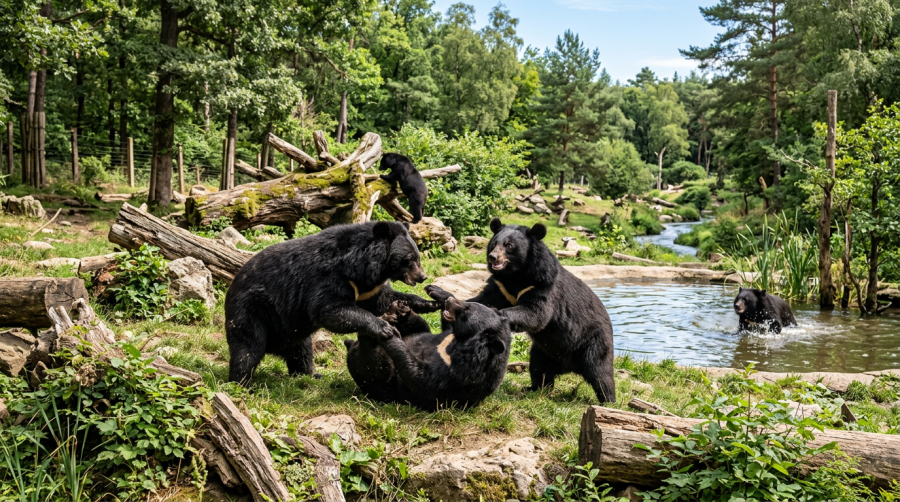
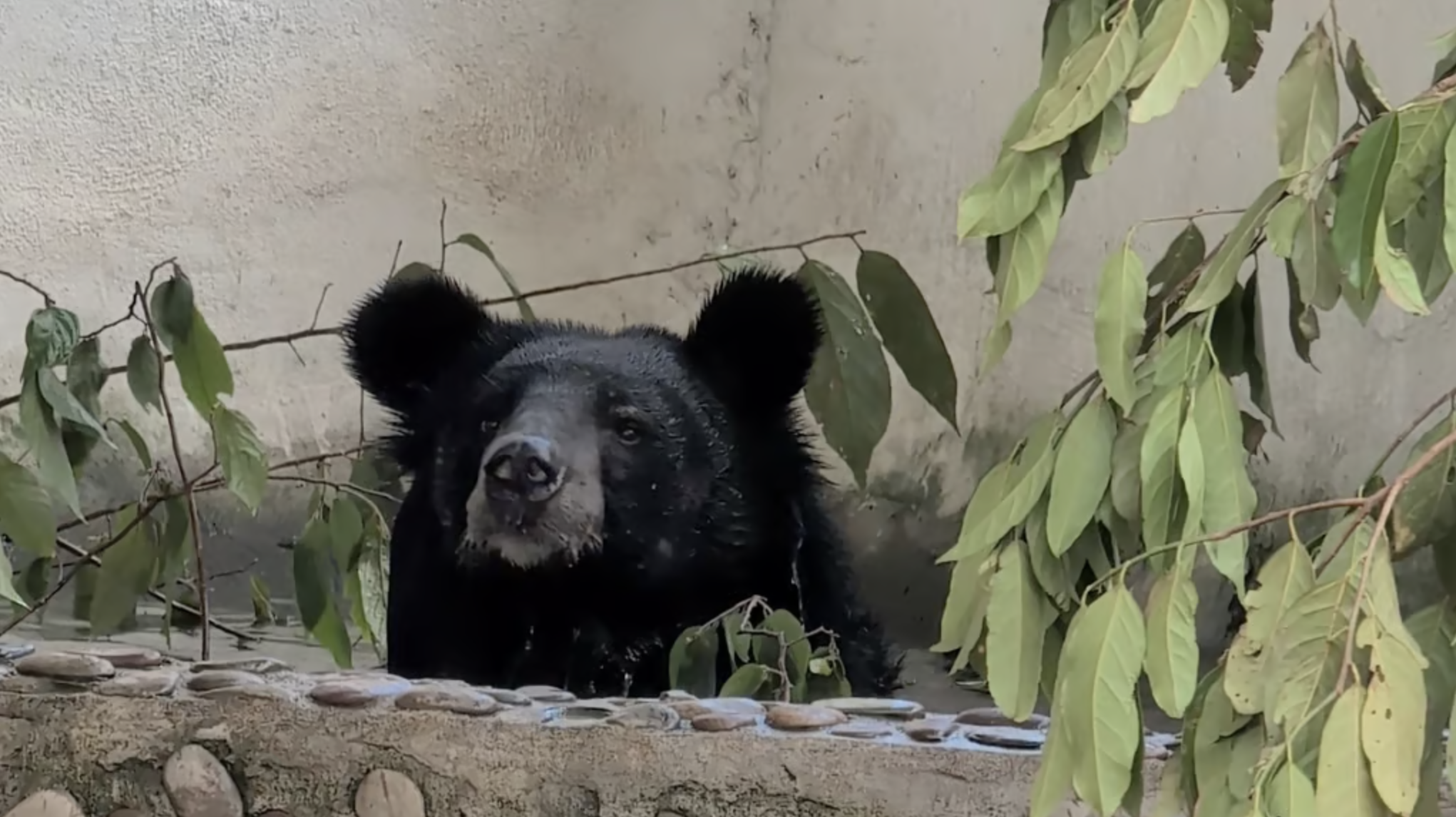
Now, for the first time in years, some are finally drinking clean water freely. Others are feeling solid earth beneath their paws for the first time.
The rescue, completed this week by conservation group Free the Bears with the backing of the Laotian government, is believed to be the largest bear bile farm closure in Southeast Asian history.
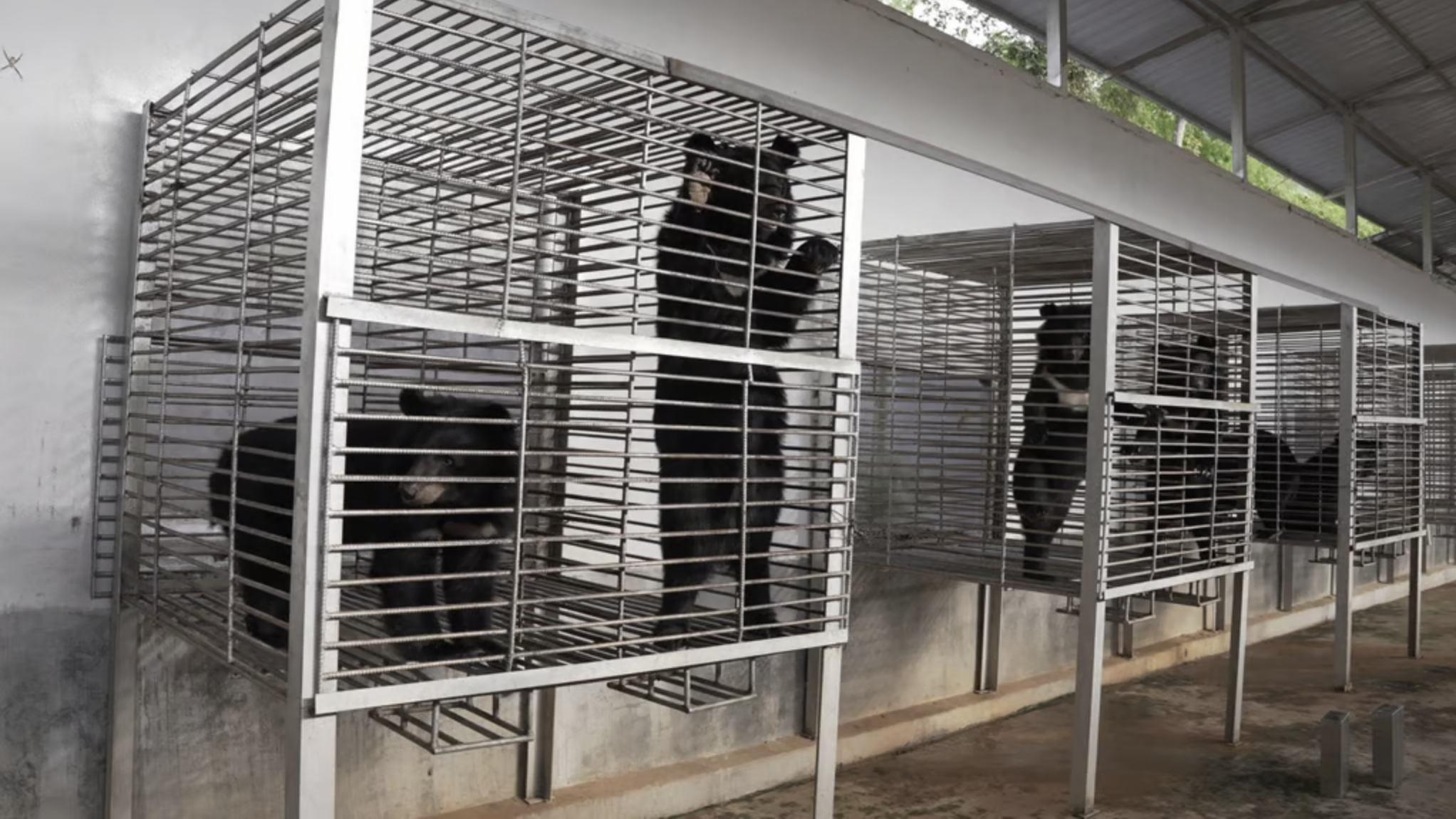
The facility, located in northern Laos and owned by a Chinese national, had registered itself as a zoo to evade regulatory scrutiny. In practice, it was an extraction operation: a commercial enterprise farming Asiatic black bears, better known as moon bears, for their bile.
Moon bear bile is prized in Chinese traditional medicine as an anti-inflammatory, despite the fact that a cheap, legal synthetic alternative for its active compound – ursodeoxycholic acid, or UDCA – has long been available.
The bears rescued from the facility were transported hundreds of kilometres south to Luang Prabang, where Free the Bears operates two large sanctuaries that together shelter more than 300 animals.
“They have a lifetime of care ahead of them,” said Matt Hunt, CEO of Free the Bears.
Crude and cruel
The moon bear, named for the crescent of pale fur across its chest, is a protected species under Laotian law and listed as globally vulnerable by international conservation bodies.
Threats to its survival include hunting, illegal capture and the systematic destruction of its forest habitat. Demand for bear bile has also sustained a brutal industry across parts of Asia for decades.
The extraction methods are as crude as they are cruel. Bile is drawn directly from the gallbladder by syringe, or harvested continuously through a fistula – a surgically created opening – as it is produced.
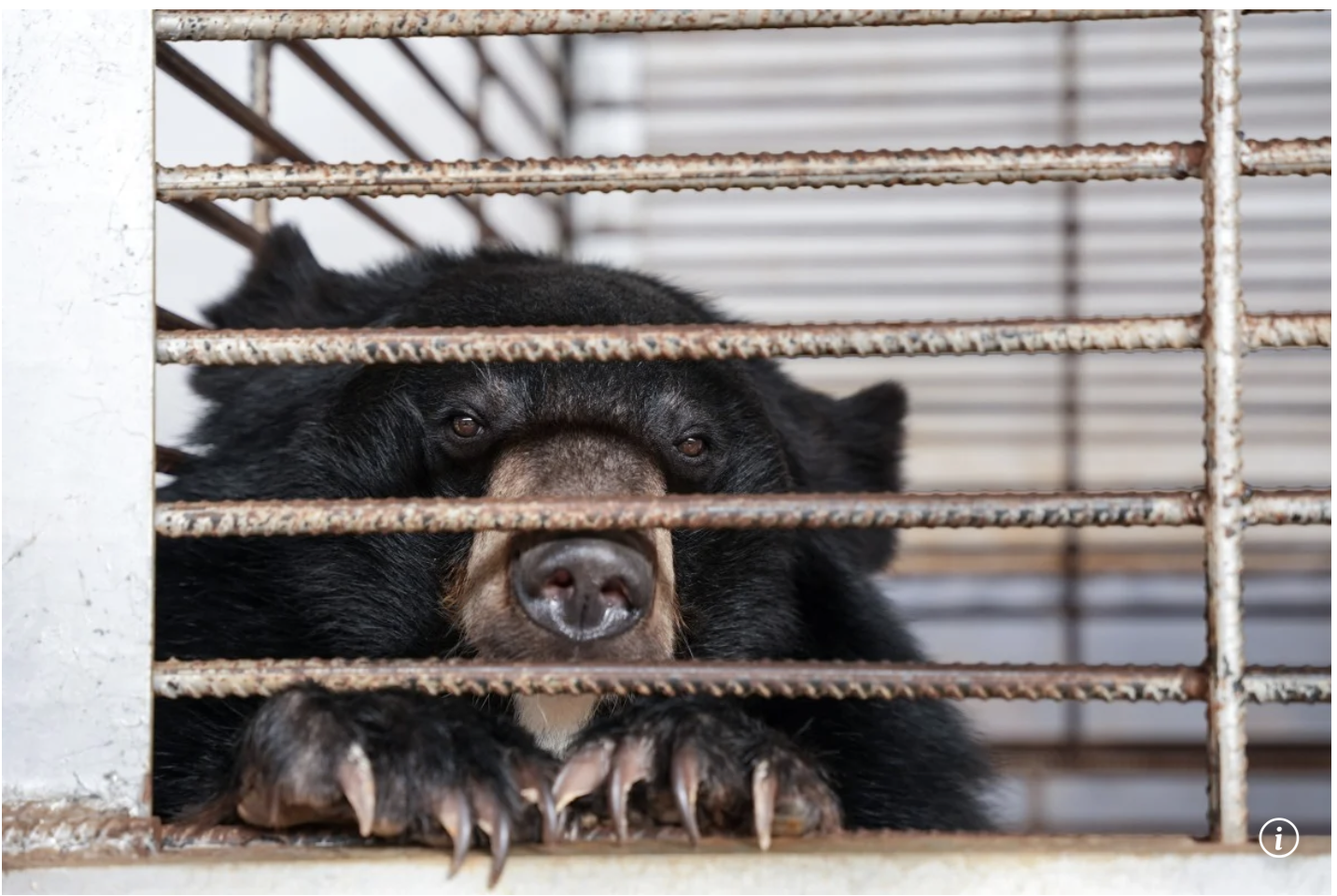
The bears are immobilised in cages typically measuring one metre by two metres (3.28 feet by 6.56 feet) denied adequate nutrition and kept in isolation. Over time, the confinement produces visible physical and psychological damage.
Several of the 27 bears rescued this week showed signs of both: muscle atrophy from prolonged immobility and behaviours associated with psychological distress.
Moon bears are omnivorous, social animals that in the wild spend their days foraging, climbing and tumbling with one another. These specimens had been stripped of every one of those instincts.
“Everything is new for them,’’ Hunt said. “For some, it’s the first time they’ve had access to a decent amount of drinking water … Some of them haven’t trodden on solid ground in two years … It’s insane to think they have been so deprived until now.’’
A rapid rescue
The rescue was conducted at speed. A facility of this scale would typically demand months of preparation, Hunt said, but the Free the Bears team had days.
The 27 animals were loaded onto vehicles and driven south, where they will now enter a period of quarantine and veterinary assessment before being gradually introduced to one another inside a forested enclosure.
Given that most have had little or no exposure to the wild since their capture – and that moon bears can live for 30 years or more – reintegration to a natural habitat is not a realistic prospect. The sanctuary will be their permanent home.
“It’s a huge undertaking for us,” Hunt said.
What made the discovery still more alarming was what the team found after the bears had been removed: 80 empty cages. The farm had not been winding down. It had been preparing to grow.
Warning sent
In the global wildlife trafficking trade, Laos serves as both a source country for rare and exotic species and a transit corridor for smuggling routes flowing into China.
Bear bile arrives on the black market in multiple forms including vials of liquid, compressed powders and topical creams. Demand has endured, despite growing international condemnation.
For Free the Bears, this week’s operation “sends out a strong message to people thinking of setting up bear bile farms in Laos”, Hunt said.
“It’s not going to be allowed, they will be shut down and the government will take action to protect these species.”

